A comparative guide to organic mattress materials, focusing on natural latex and wool, their comfort, durability, and certifications. Learn how these materials influence sleep temperature, support, and overall sleep health without shopping pressure.
In an era when sleep is increasingly framed as a performance metric, the search for materials that honor both health and the planet has never been more urgent. Organic latex and organic wool stand out as two of the most compelling options for sleepers who value sustainability, comfort, and long-term resilience. This article surveys their distinct properties, the certifications that matter, and practical tips to care for these materials so they endure for years of restful nights. We also examine how these organic options interact with sleep temperature, pressure relief, and support, while anchoring the discussion in the broader context of sleep science.
Why choose organic in mattress materials?
Organic materials aim to reduce chemical exposure and environmental impact without sacrificing comfort. For many sleepers, an organic mattress means avoiding synthetic flame retardants, minimizing VOC off-gassing, and supporting farms and processes that emphasize responsible farming and material handling. Organic latex and wool—when certified and properly manufactured—can deliver robust durability, predictable feel, and breathable sleep surfaces that respond to body heat.
Beyond personal comfort, organic certification signals a commitment to health, sustainability, and traceability. Certifications such as GOTS (Global Organic Textile Standard) govern organic fibers and processing for textiles, OEKO-TEX tests safety for every component, GOLS (Global Organic Latex Standard) regulates organic latex, and CertiPUR-US addresses foams used in hybrid surfaces. While not every product will carry every badge, understanding these stamps helps readers assess product claims with greater confidence.
Natural latex: resilience, bounce, and breathability
Natural latex is derived from the sap of rubber trees. When processed into latex foam, it yields a material that offers buoyant support, natural elasticity, and a distinct, responsive feel. For many sleepers, latex provides a supportive cradle that helps align the spine while offering a comfortable contour that responds to movement without sinking excessively. The material’s open-cell structure in some formulations can promote airflow, which aids in temperature regulation.
Key advantages include:
- Durability: Latex typically lasts longer than many foam alternatives, maintaining feel and support over many years.
- Hypoallergenic properties: High-quality natural latex is naturally resistant to dust mites and mold when properly manufactured and certified.
- Consistent support: The resilience of latex helps maintain spinal alignment across different sleep positions.
Considerations include the potential for a firmer initial feel and, for some users, a distinct aroma associated with natural materials. For sensitive sleepers, ensure the product carries reputable organic or natural certifications to minimize chemical exposure.
Organic wool: temperature regulation and natural flame retardance
Wool is renowned for its natural temperature-regulating properties. It absorbs moisture vapor and releases it efficiently, helping sleepers stay dry and comfortable across varying climates. Its hygroscopic nature contributes to a balanced microclimate inside the sleep surface, which can reduce nighttime overheating and sweating. Wool fibers also provide durable cushioning and can act as a breathable, breathable barrier that doesn’t trap heat.
Important considerations include:
- Moisture management: Wool’s ability to wick moisture away helps maintain comfort in warmer environments and during night sweats.
- Regulatory properties: Wool is naturally flame-retardant and often used as a non-toxic flame barrier in organic bedding ecosystems.
- Durability and care: Wool toppers and layers may require specific care (cool washing, air drying) to preserve fiber structure and loft over time.
As with latex, certifications and the source of wool (quality of farming, processing methods) influence performance and health outcomes. Organic wool that meets GOTS and other environmental standards tends to offer the strongest assurances for body-friendly sleep surfaces.
Reading certifications: what matters for organic mattress materials
When evaluating organic latex and wool, a few certifications can guide your assessment:
- GOLS (Global Organic Latex Standard): certifies organic latex production from tree to finished foam, emphasizing chemical safety, purity, and environmental impact.
- GOTS (Global Organic Textile Standard): governs organic textiles, including wool and cotton used in covers, fabrics, and linings, with attention to processing chemicals and social criteria.
- OEKO-TEX: tests textiles for harmful substances, providing additional assurance about consumer safety during use.
- CertiPUR-US: applies to certain foams, including blended latex and latex foams, focusing on emissions and content of certain chemicals.
Certifications matter because they reduce the risk of exposure to harmful substances and help ensure sustainable farming and manufacturing practices. They also offer a standardized framework that makes comparing products easier for readers who want to understand how materials perform in real-world sleep conditions.
Care and longevity tips: maintaining organic surfaces
Organic latex and wool mattresses or toppers require thoughtful maintenance to preserve feel and longevity. Here are practical tips worth noting:
- Follow the manufacturer’s care instructions. Latex and wool can vary in their response to heat, moisture, and cleaning methods.
- Ventilate the sleep environment. Regularly airing out the room aids in maintaining fabric integrity and reducing moisture buildup that could impact wool or latex over time.
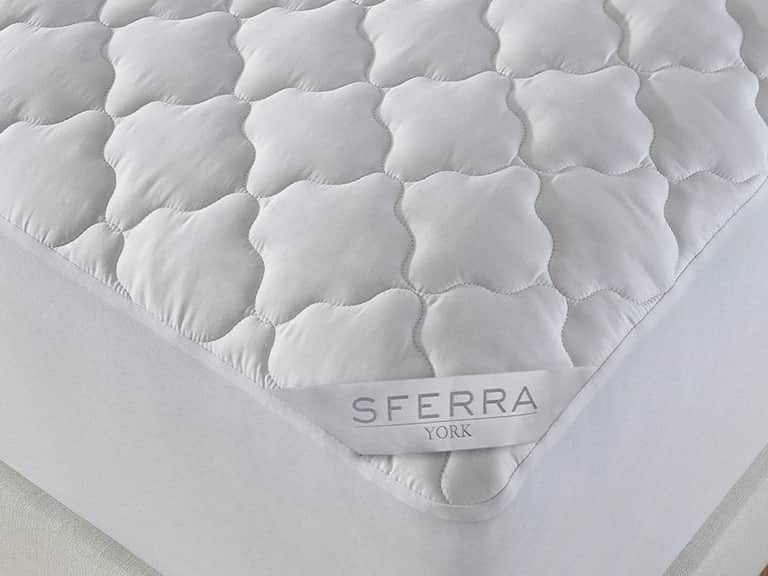
- Use appropriate protectors. Organic, breathable mattress protectors can extend the life of organic components by guarding against moisture, dust, and accidental spills.
- Rotate and flip as recommended. Some latex mattresses benefit from rotation to promote even wear, while others may not require flipping depending on construction.
- Be mindful of climate. In particularly humid climates, consider dehumidification strategies to protect wool and latex foams from moisture-related degradation.
Longevity is not just a function of material quality but also of how users care for the surface in the context of their sleeping patterns and room environment. A well-maintained organic surface can remain supportive and comfortable for many years, aligning with a lifestyle that values sustainability and health.
Three voices across time: perspectives that illuminate organic sleep choices
Hypatia of Alexandria (c. 350–415 CE)
Hypatia, a philosopher and mathematician of the ancient world, embodies meticulous inquiry and empirical curiosity. Though she did not study mattresses per se, her method—emphasizing observation, logic, and careful testing—remains a guiding principle for modern sleep science. In the context of organic materials, Hypatia’s spirit invites us to scrutinize claims, weigh evidence, and seek sources with credibility and reproducibility.
Jane Hales, consumer advocate (1920s–1980s)
Jane Hales, a trailblazer in consumer protection during the mid-20th century, championed transparent labeling and safety standards. Her stance reminds us that organic materials in bedding are not merely a niche interest but a matter of public health and informed choice. Her legacy encourages readers to demand clear, science-backed information when evaluating latex, wool, and related certifications.
Dr. Maya Chen, sleep scientist (born 1970s)
Dr. Maya Chen represents a contemporary wave of sleep science that integrates physiology with materials science. Her work highlights how temperature regulation, pressure distribution, and sleep position interact with surface materials. Her perspective helps readers understand why organic latex and wool can influence sleep comfort in nuanced ways, especially when considering diverse sleep styles and health considerations.
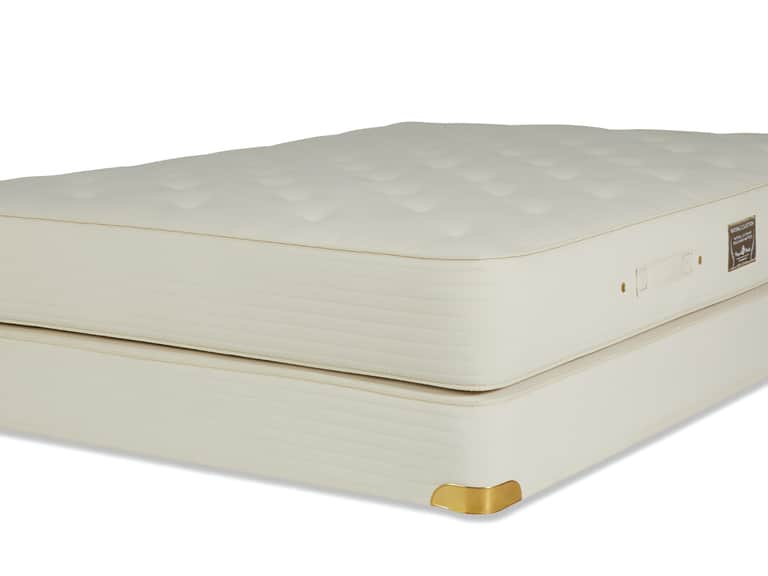
A case study in organic luxury: Royal-Pedic Natural Cotton Mattress with Wool Wrap
Royal-Pedic image available
Royal-Pedic Natural Cotton Mattress with Wool Wrap
A pinnacle of traditional craftsmanship, this innerspring mattress is wrapped in a 3-inch chemical-free lamb’s wool layer, delivering orthopedic support with natural flame retardance. Its cotton-topped surface and Swiss-inspired spring system offer a durable, breathable sleep experience for those who value luxury, long-term resilience, and an allergy-friendly profile.
Key features: Swiss design coils, long-staple cotton, chemical-free wool wrap, and a focus on minimal chemical exposure.
Approximate thickness: 9.5 inches. Price: 6550.00 USD.
Note: Royal-Pedic is cited here as an illustrative example of organic and wool-forward construction. Availability and specifications may vary by retailer. Always verify current certifications and materials with the seller.
Conclusion: shaping a sleep future that respects health and the planet
Organic latex and organic wool offer compelling paths to healthier sleep environments, combining tactile comfort with responsible production. Each material has unique advantages—latex for responsive support and durability; wool for thermal balance and natural flame protection. The best choice depends on the sleeper’s preferences, climate, and any sensitivities to materials. What endures in this landscape is a commitment to transparent information, thoughtful care, and a sleep setup that reflects both personal comfort and planetary stewardship.
As today’s readers navigate the sea of claims around mattress materials, the guiding compass remains consistent: prioritize credible certifications, seek independent testing where possible, and balance the science of sleep with practical care for longevity. In doing so, bedmattress.com can stand as a non-retail, educational hub that empowers readers to make well-informed decisions grounded in robust evidence and a respect for sustainable, organic practices.