Mattress materials and comfort
Choosing an Organic Latex Sleep Surface for Pressure Relief and Temperature Balance
Organic latex can feel springy, buoyant, and responsive—but those qualities do not guarantee that every latex mattress will suit every sleeper. Firmness, layer design, body shape, sleep position, cover materials, and the details behind an organic label all contribute to the experience.
A mattress is often described with a single word: soft, medium, firm, cooling. The shorthand is convenient, but it can obscure the more useful question: what happens when a particular body settles onto a particular construction for an entire night? With organic latex, the answer depends on the material and how it is used. A thick comfort layer may ease pressure at the shoulders and hips; a firmer core may help limit excessive sinking. The same mattress can feel different to people with different body weights, proportions, and sleeping positions.
That makes choosing a latex sleep surface less a matter of finding a magic label than understanding the pieces. Organic certification can provide information about sourcing and processing, but it does not prescribe firmness, comfort, or longevity. To assess a mattress thoughtfully, look beyond the word “organic” and examine its layers, firmness options, cover, foundation requirements, care instructions, and return or warranty terms.
What “organic latex” does—and does not—tell you
Latex used in mattresses is made from rubber, which may come from natural rubber tree sap, synthetic materials, or a blend. The word “organic” refers to certified production and sourcing claims for particular materials under a defined standard. It is not, by itself, a description of how the mattress feels. Nor does it establish that every part of a finished mattress—including its cover, fire barrier, adhesives, or other components—has the same certification.
For that reason, read certification details as carefully as the headline. A certification may apply to the latex itself, the finished product, or a textile such as the cover. Verify what is covered and which organization issued the certification. GOLS, for example, is associated with organic latex, while GOTS applies to qualifying textiles. A mattress may contain several materials with different certifications; those claims should not be assumed to mean the same thing.
Certification is useful evidence about standards and supply chains, but it is not a comfort rating. Two mattresses can both use certified organic latex and still differ markedly in firmness, zoning, thickness, quilting, and surface feel. Likewise, an organic claim is not a guarantee that a product will work for a particular sleep position or remain comfortable indefinitely.
Latex’s distinctive feel
Many sleepers describe latex as resilient or buoyant. It generally responds quickly when pressure shifts, rather than feeling as though the body is slowly sinking into the surface. That spring-back can make turning and changing position feel easier for some people. It can also create a firmer, more lifted sensation than the deep contouring associated with some memory foam mattresses.
“Latex feel,” however, is not one fixed sensation. The firmness of the foam, its thickness, the way it is perforated or zoned, and the layers above and below it all contribute. A soft latex layer over a firmer support core may offer a more cushioned surface than a single firm latex slab. A quilted cover can add its own padding and alter the first impression. The result is a system, not merely a material.
Latex is often discussed as a breathable material, and its open structure and ventilation features can support airflow. But temperature is shaped by more than the core. The mattress cover, sheets, protector, bedroom conditions, and a sleeper’s own temperature preferences matter too. A waterproof layer or thick, insulating bedding can affect how the whole bed feels. No material can promise that every sleeper will stay cool.
Pressure relief depends on the fit
Pressure relief means more than a soft first impression. A sleep surface should cushion areas that press heavily into it while maintaining enough support to avoid uncomfortable collapse. For a side sleeper, the shoulder and hip are often important contact points. Back sleepers may be especially attentive to how the surface supports the lower back and pelvis. Stomach sleepers may prefer a surface that limits sinking through the midsection. These are useful starting points, not universal rules.
Body shape and weight influence how far a person compresses a given layer. A mattress described as medium may feel relatively firm to one sleeper and much softer to another. The same is true of the latex mattress firmness scale: labels help organize options, but they are not standardized measurements shared across every manufacturer. When possible, assess the precise model and its return conditions rather than relying on a category name alone.
For side sleepers, a comfort layer with enough give may reduce the sense of pressure at the shoulder and hip. If the surface is too firm for the individual, those areas may feel compressed. If it is too yielding, the body may sink more than feels comfortable. Back sleepers may seek a combination of cushioning and stable support that lets the body settle without creating a pronounced dip. Stomach sleepers often pay close attention to firmness and support beneath the hips, though individual comfort still varies.
People who change position through the night may value a responsive surface that makes movement straightforward. Couples may want to consider how the mattress handles movement transfer as well as whether each person needs a different firmness. A split or customizable construction can be worth investigating when preferences diverge, but the details matter: check how adjustments work, whether they are reversible, and whether the options differ by side or by zone.
Layer construction: the comfort story beneath the cover
A mattress is a stack of decisions. The uppermost layer influences initial cushioning, while deeper layers affect how much the body settles and how the mattress supports it. Some designs use a comfort layer over a central support layer and a base layer; others use different arrangements. The thickness and firmness of each section can change how the surface behaves, even when the material is similar.
Zoning is one construction feature worth understanding. A zoned layer is designed with different areas to provide varying resistance across parts of the bed. The intention may be to offer different support under the shoulders, torso, or hips. Ask how the zones are arranged, whether they can be repositioned, and whether their orientation matters. “Zoned” alone does not establish that a design will align well with a particular body.
Layer count also tells only part of the story. A mattress with more components is not automatically more comfortable or durable. What matters is how the layers work together, whether they can shift, how the cover is constructed, and what the manufacturer says about the recommended foundation. A well-designed mattress can still perform poorly if placed on a base that is incompatible with its requirements.
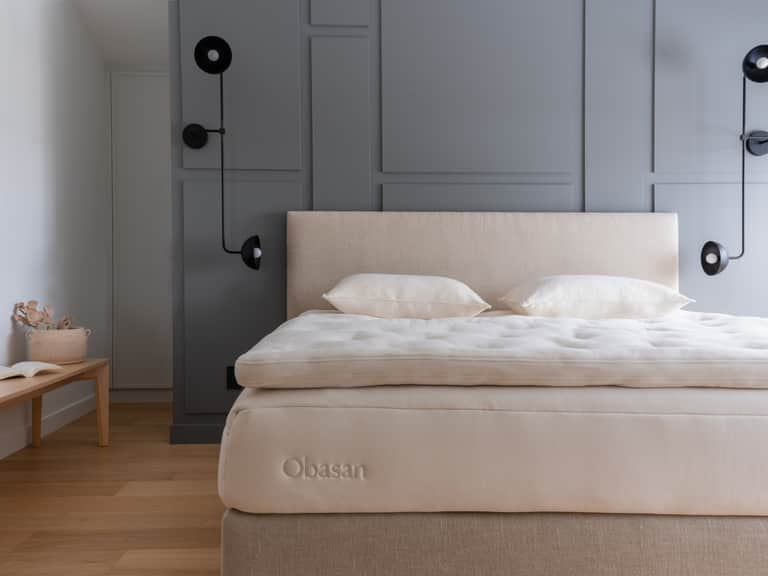
As one example of a configurable design, the Obasan Deluxe Dunlop Latex Mattress is described as having a medium or firm base option, a customizable three-zone latex core, and a soft top layer. Its listed construction also includes an organic cotton cover quilted with wool and a separate latex-and-wool topper. Those details offer a practical illustration of why the phrase “latex mattress” is not enough: the arrangement and adjustability of the layers form a large part of the product’s identity. Prospective buyers should confirm current specifications, available configurations, and care requirements directly before deciding.
Dunlop and Talalay: construction terms to check
Dunlop and Talalay are names for different latex manufacturing processes. They are useful terms to recognize when comparing a latex mattress, but they should not be treated as simple rankings. A label alone cannot tell you which mattress will feel softer, offer better pressure relief, or last longer in a given bedroom. Firmness, density, processing details, thickness, and the surrounding layers remain relevant.
If a product page uses either term, look for the specifications that make it meaningful: which layers use that latex, how thick they are, and what firmness choices are offered. Ask whether a quoted firmness applies to the complete mattress or to one component. If layers are replaceable or adjustable, find out how replacement works and whether the manufacturer provides clear instructions. A technical term is most useful when it helps explain a construction, not when it stands in for one.
Temperature balance is a whole-bed question
Airflow through a latex layer may be part of a temperature-comfort strategy, but heat retention is influenced by the entire sleep system. A dense or quilted cover can feel different from a light knit cover. Sheets, blankets, mattress pads, protectors, and room temperature also shape the experience. If someone already sleeps warm, changing a mattress layer while keeping heavy bedding may not produce the expected difference.
When evaluating temperature claims, check the materials and construction rather than relying on a single adjective such as “cooling.” Consider whether a protector is waterproof, how it is made, and whether its care instructions fit your routine. A protector can help shield a mattress from everyday moisture and soil, but its surface may also influence how the bed feels. Breathability, quietness, water resistance, and ease of washing are separate properties; one does not automatically guarantee the others.
Wool is sometimes used in mattress quilting or covers and may contribute to moisture management and a particular surface feel. Cotton can offer a familiar textile layer, with texture and weight varying by weave and construction. Neither material makes the entire bed temperature-neutral. Think of the cover and bedding as part of the mattress experience, not as decorative details added after the meaningful decisions have been made.
Questions to ask before choosing
A shortlist becomes more useful when it is based on questions you can answer. Rather than choosing by material name alone, compare the construction and practical conditions of use:
- What is the actual layer arrangement? Record each layer’s material, thickness, and stated firmness.
- Which firmness options are available? Check whether they refer to the complete mattress, a core, or a customizable section.
- How does the design relate to your sleeping position? Think about where you feel pressure and whether you prefer a lifted or more enveloping sensation.
- What does “organic” cover? Confirm the certified material, the applicable standard, and whether the claim applies to the latex, textiles, or finished product.
- What is the cover made of? Note quilting, wool or other padding, removability, and whether the cover can be washed.
- What foundation is required? Verify slat spacing, center support, compatibility with an adjustable base, and any restrictions on placing the mattress directly on the floor.
- How can you assess comfort at home? Read the trial, return, exchange, and shipping terms before ordering, including any fees or exclusions.
- What does the warranty say? Distinguish coverage for manufacturing defects from ordinary changes in comfort or appearance.
These questions can also reveal where product descriptions are incomplete. If the information does not say which layer is firm, how the zones run, or whether a cover is washable, ask before purchase. A careful answer is more valuable than a confident but vague promise that a mattress suits everyone.
Care, protection, and realistic expectations
Natural materials still require care. A latex core should be protected from prolonged moisture, direct heat, and unsuitable foundations according to the maker’s instructions. Some covers are removable for spot cleaning but not machine washable. Others should not be unzipped at all. These differences are important: an attractive feature on one mattress can become a costly mistake if care directions are assumed rather than checked.
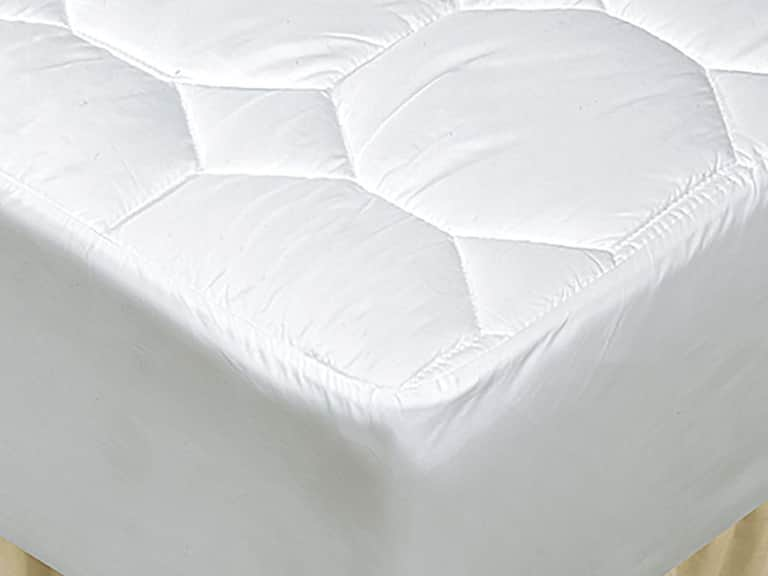
A protector can reduce exposure to spills, dust, and everyday wear, but confirm that it fits the mattress depth and does not interfere with the surface feel you want. Follow laundering and drying directions closely. High heat, bleach, or aggressive cleaning may damage some fabrics and membranes. Keep the original care information accessible, especially if the mattress has several components or a warranty with specific maintenance conditions.
Durability is another area where the material label should not do all the work. Construction quality, use, support from the foundation, care, and the thickness and condition of each layer can all matter. A long warranty is not a forecast of how long every sleeper will find the mattress comfortable. Review what the warranty actually covers, how claims are assessed, and whether the terms distinguish between defects and normal wear.
A measured way to make the decision
Choosing an organic latex sleep surface is best approached as a match between a person and a construction. Start with the experience you want: more cushioning at the surface, a buoyant feel, easier movement, a particular firmness, or a configuration that accommodates two different preferences. Then compare the layers and supporting details that could produce that experience. The product name and certification are important clues, but they are not a substitute for those specifics.
Be especially cautious with claims that make a mattress sound universally suitable, clinically corrective, or guaranteed to solve pain or sleep problems. Comfort is subjective, and persistent pain or other health concerns deserve guidance from an appropriate health professional. A mattress can support a comfortable sleep environment; it cannot diagnose or treat a medical condition simply because its materials are natural or its firmness is described as “supportive.”
The most reliable choice is often the one whose construction is easy to understand and whose policies leave room to evaluate it in real life. Consider your sleep position, body shape, temperature preferences, bedding, and foundation together. Verify what certifications apply, learn how the layers are arranged, and read the care and return terms before committing. Organic latex may offer a distinctive combination of resilience and ventilation, but the finer details determine whether that promise translates into a comfortable bed for you.
The essentials
- Organic describes sourcing and certification claims, not a guaranteed firmness or comfort level.
- Pressure relief depends on the interaction between body shape, sleep position, firmness, and layer design.
- Temperature balance involves the mattress, cover, protector, bedding, and room—not just the latex core.
- Check the exact certification scope, foundation requirements, care instructions, and trial and warranty terms.