 Mattresses
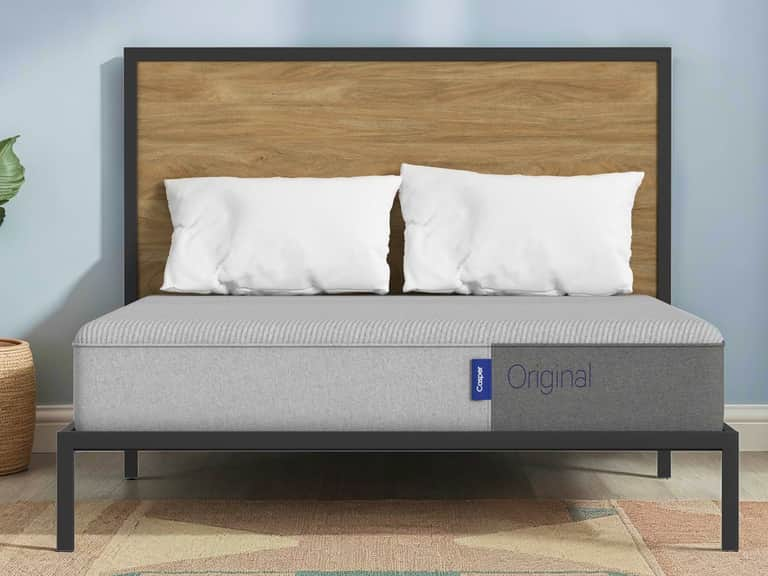
Original Mattress
Sleep cooler and feel cradled all night with breathable Casper foam, contouring memory foam, and three-zone Zoned Support that keeps your spine aligned and balanced from top to base.
Foam mattresses are designed to provide supportive, contouring sleep surfaces that respond to body pressure. Typically constructed from various foam layers, they aim to align the spine, reduce motion transfer, and accommodate different sleep styles. Key features include open-cell structures for breathability and memory foam components that conform to individual body curves for targeted comfort.
In foam mattress configurations, polyurethane and viscoelastic foams are commonly used to balance support and comfort. Memory foam pillows complement this setup by supporting the neck and head alignment, while organic mattress options emphasize natural materials and reduced chemical exposure. Understanding foam density and firmness helps consumers choose a model that matches sleep preferences and weight ranges.
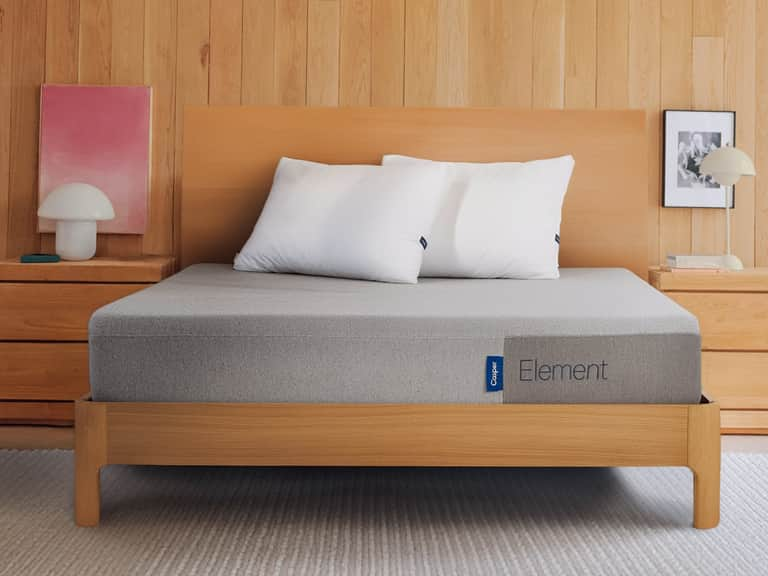
Element Mattress demonstrates how foam varieties can integrate comfort foams with transition and support cores to create a balanced feel. The product emphasizes pressure relief on shoulders and hips, while maintaining stable spinal alignment. Such designs often include breathable covers and zoned support to enhance longevity and adapt to sleeping positions over time.
When evaluating foam mattresses, consider durability, temperature regulation, and allergy-friendly materials. Breathable foams and moisture-wicking covers contribute to a cooler sleeping surface, while low-VOC formulations address indoor air quality. Organic crib mattresses and related bedding components illustrate the broader approach to non-toxic, sustainable sleep environments.
For a comprehensive understanding of foam-based sleep systems, it helps to compare features such as density, resilience, and cover materials. The Element Mattress family showcases practical benefits like conforming comfort, motion isolation, and durable construction. Incorporating related bedding essentials, including memory foam pillows and organic options, supports a holistic sleep setup.
Mattresses
 Mattresses