Decoding Mattress Comfort: A Practical Guide to Firmness, Materials, and Sleep Position

Choosing a mattress isn’t just about brand names or flashy salaries of marketing departments. It’s about the three core drivers of restful nights: support, comfort, and temperature regulation. This guide unpacks how firmness, material types, and your sleep posture come together to shape real, everyday comfort, and it helps you interpret ILD, density, and certifications so you can shop with confidence.

Firmness, Feel, and the Language of Comfort

When you step into a showroom or start scrolling product pages, you’ll hear a lot of terms that sound like code: ILD, density, coil count, and a raft of acronyms like GOTS, GOLS, and OEKO-TEX. If you’re new to mattress shopping, the vocabulary can feel overwhelming. But the logic is simple: firmness is a personal preference shaped by your body weight, sleeping position, and any aches or sensitivities you bring to the bed. ILD, or indentation load deflection, is a technical proxy for how firm a foam or latex core feels under your body. Density, meanwhile, gives clues about durability and the level of contouring a material offers.

Let’s translate this into practical terms. A memory-foam pillow-soft feel might translate into a softer, more contouring surface, while a latex core—especially a natural Dunlop or Talalay latex—often yields a balance of contour and bounce that can suit different sleep positions. In innerspring mattresses, the coil system and the padding layers around it determine whether the feel is cradling, buoyant, or firm. Temperature regulation matters too: natural fibers and breathable fabrics, plus breathable latex or coil structures, can help release heat and maintain a comfortable sleeping climate.

Key Concepts to Know

  • Firmness range: Soft, Medium, Firm, and Extra Firm are not absolute categories; they depend on material and construction. A “Firm” latex layer can feel different from a “Firm” memory foam layer.
  • ILD and density: ILD measures how much pressure it takes to indent the surface; higher ILD means stiffer feel. Density estimates how much material is packed into a given volume and can signal durability and contouring behavior.
  • Materials matter: Latex (natural or synthetic), memory foam, polyurethane foams, and coil systems each bring distinct combinations of contour, bounce, cooling, and durability.
  • Certifications: GOTS (organic cotton processing), GOLS (organic latex), OEKO-TEX (textile safety), and GREENGUARD or similar ratings indicate attention to non-toxic materials and low emissions.
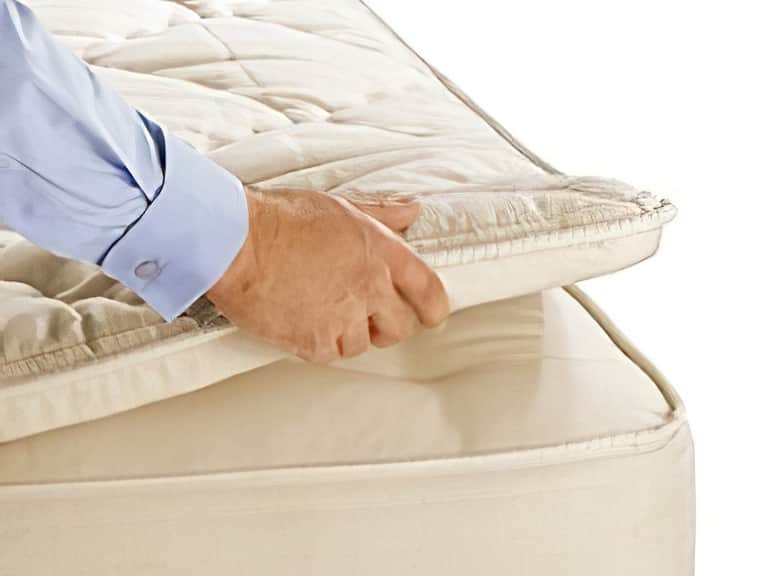
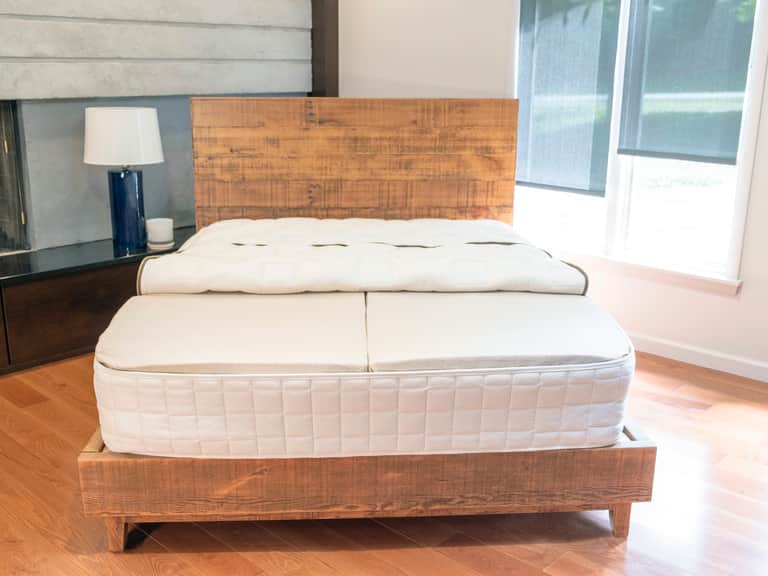
  • Topper and foundation options: Toppers alter feel without changing the core mattress. Foundations influence support, height, and edge stability, and can affect overall sleep temperature by raising the sleeping surface.

A Quick Firmness Navigator

  • For side sleepers: Prioritize pressure relief at the shoulders and hips. Look for softer top layers or latex with a gentle contour, plus good edge support to prevent rolling off the edge.
  • For back sleepers: A balanced feel—neither too soft nor too hard—often with moderate contouring to support the lumbar region without creating pressure points along the spine.
  • For stomach sleepers: A firmer surface helps keep the hips from sinking and maintains spinal alignment. A firmer top layer or a firmer latex core can help.
  • For heavier sleepers: Higher density foams or latex, plus robust coil systems, can prevent excessive compression and sinkage, preserving support throughout the night.
  • For lighter sleepers: A softer, more responsive surface can enhance comfort and pressure relief without sacrificing support.

Materials Deep Dive: From Latex to Coils

The modern mattress landscape is a mosaic of materials, each carrying its own promise of comfort, durability, and temperature control. A well-rounded understanding helps you align your personal needs with the features most likely to satisfy them over the long term.

Natural latex, whether Dunlop or Talalay, offers a reliable blend of resilience and contour. It’s often perceived as a good middle ground between the soft embrace of memory foam and the buoyant support of coils. When latex is combined with natural wool or cotton fibers, you get layered comfort that breathes well and maintains a more stable sleeping temperature.

  • Innerspring coils provide robust support and edge stability. Across different models, coil counts and the way the coils are nested affect how the bed responds to movement and how the edges hold their shape when you sit on them.
  • Foams (memory, polyurethane) can cradle the body with varying levels of sink, with memory foam offering distinct contouring and slower response to pressure.
  • Hybrid designs blend coils with latex or memory foam for a balance of contour, bounce, and airflow.
  • Natural layers like wool, cotton, and alpaca silk blends provide temperature regulation and a non-toxic feel that many shoppers seek.

Product Spotlight: Royal-Pedic Natural Collection Cotton Mattress (Dr.'s note required)

For readers who want a premium, time-honored approach to sleep, this spotlight highlights a model that blends old-world craftsmanship with modern reassurance about chemical sensitivities. The Royal-Pedic Natural Cotton Mattress—often chosen by sleepers who prioritize pure materials and orthopedic support—offers a study in contrast to the mass-market foam-first beds that dominate the market.

Royal-Pedic Natural Collection Cotton Mattress (Dr.'s note required) — $6,126

A luxury option designed for those who seek a wool-free construction due to sensitivities, with an emphasis on long-staple cotton, Swiss innerspring architecture, and a nod to traditional craftsmanship.

  • Material core: Pure long-staple cotton casing and an orthopedic firm innerspring system, with a Swiss design that emphasizes torso support.
  • Fire protection: No wool wrap in this model, a choice made to accommodate wool sensitivities. Fire protection relies on the core design rather than a wool layer.
  • Foundations and structure: Heavy-duty construction with coil design aimed at edge-to-edge support and long-lasting durability.
  • Topper compatibility: The brand commonly pairs this with latex toppers to fine-tune pressure relief and contouring as needed.
  • Care and service: Custom-made to order; no returns. The brand supports direct consultation for sizing and shipping quotes, and it is often paired with a call-back or text-based assistance to ensure long-term fit and support.

While the price tag signals a luxury purchase, the selling point is the marriage of traditional cotton craftsmanship with modern orthopedic intent. For sleepers who prize a cotton-forward experience, this model offers a unique alternative to foam-dominant beds and invites a closer look at how a non-foam core can still deliver durable support when engineered with a thoughtful coil system.

Note: This model requires a doctor’s note to purchase due to the absence of a wool wrap for fire protection. If you’re navigating chemical sensitivities or wool allergies, consult with your clinician about suitability and alternatives in the Royal-Pedic lineup.

In editorial terms, the Royal-Pedic Natural Cotton Mattress reminds us that not all sleepers want the same path to rest. Some people celebrate the tactile crispness of pure cotton and the timelessness of a coil-based orthopedic system. Others crave the regulated warmth of wool layers or the breathability of a latex topper. The mattress market acknowledges this diversity, though the pathways to comfort may diverge from one shopper to the next.

Sleep Positions, Posture, and Personal Comfort: A Multi-Timeframe Perspective

Our bodies tell a story at night. The way you sleep—whether on your back, side, or stomach—speaks to how your spine aligns and how your pressure points are relieved. The perspectives below borrow from different eras to illustrate how ideas about sleep posture can influence mattress choice.

Ancient Insight: Hippocrates and the Healing Bed

In ancient Greece, sleep was entwined with health, daily ritual, and a belief in natural rhythms. Hippocrates, often called the father of medicine, emphasized balance and restful nights as essential to healing. Modern readers can borrow from this line of thought by prioritizing a sleep environment that moderates temperature, supports posture, and avoids toxins. The mattress becomes not merely a place to lie down, but a companion in healing—an oasis that supports recovery and resilience after a long day.

Renaissance Curiosity: Leonardo da Vinci and Observational Comfort

Fast-forward to the Renaissance, where curiosity about the human body and posture began to be studied with greater anatomical care. Leonardo da Vinci’s era prized observation and proportion. While not a sleep scientist, the Renaissance spirit teaches us to observe the bed and the sleeper: where the body sinks, where it stays buoyant, and how materials like latex, wool, or cotton influence that relationship. In practical terms, this translates to experimenting with toppers, layers, and foundations to dial in a posture that sustains neutral alignment through the night.

Modern Science: Matthew Walker and the Sleep Architecture Equation

Today, researchers like Matthew Walker emphasize the architecture of sleep—how sleep stages cycle through the night and how the body recovers. This modern lens reinforces that mattress comfort isn’t just about “feeling” good at first with a test nap; it’s about consistent support that reduces awakenings and facilitates healthy sleep cycles. A mattress that supports spinal alignment, moderates temperature, and maintains a forgiving surface for pressure relief can help you reach the deeper restorative stages each night.

Together, these cross-temporal lenses remind us that mattress choice is not a single moment of satisfaction but a sustained relationship with rest. If you sleep on your side, for example, you may value a gentle contour to ease shoulder and hip pressure, combined with a dependable edge and breathability. If you sleep on your back, you might prioritize a firmer overall support with a stable lumbar band to keep your spine aligned. And if you’re a stomach sleeper, a firmer surface that resists excessive sinkage keeps hips from dropping and protects posture.

How to Choose: A Practical 5-Step Path to Your Perfect Mattress

  1. Identify your sleep position and weight. Side sleepers often seek pressure relief; back sleepers may want balanced support; stomach sleepers appreciate a firmer surface. Weigh your body to understand how much compression your chosen materials can tolerate without sacrificing alignment.
  2. Match materials to your priorities. If you prioritize non-toxicity and breathability, consider latex (natural), organic cottons, and wool layers. If you want a highly contouring surface with a memory-foam feel, understand how ILD and density will shape that contour and how quickly the surface responds to movement.
  3. Check certifications. Look for GOTS for organic cotton, GOLS for organic latex, and OEKO-TEX for textiles safety. These signals help ensure a product aligns with health, safety, and ecological standards.
  4. Consider toppers and foundations. A topper can alter feel without a full replacement. A sturdy foundation can influence edge support and overall height, which matters if you’re switching from a bed with a foam mattress to a spring or latex model.
  5. Test and confirm the return policies. A sleep trial or a long warranty is essential; a few months of sleep at home can reveal how a mattress truly performs for you, across seasons.

Frequently Asked Questions: Quick Answers for Busy Sleepers

  • Do firmer mattresses always mean better support? Not necessarily. Support depends on how the mattress aligns your spine and how well it cushions pressure points for your weight and sleep position. Some heavier sleepers benefit from firmer cores, while lighter sleepers may find too-firm surfaces uncomfortable.
  • Is a latex mattress better for temperature regulation? Many sleepers report better breathability with natural latex, especially when layered with wool or organic cotton and a breathable cover. However, temperature depends on the entire system—cover, core, and any toppers.
  • What’s the difference between ILD and density? ILD measures how much force is required to indent a surface; higher ILD means firmer feel. Density refers to the amount of material per unit volume and often correlates with durability and contouring properties.
  • Are organic mattress options worth the extra cost? For some buyers, the health and sustainability benefits justify the premium. If non-toxic materials, longer lifespans, and less chemical exposure are priorities, organic options may be a strong fit.

This article was written to explore how firmness, materials, and sleep position influence mattress comfort. By examining historical perspectives, scientific insights, and modern product design, readers can approach mattress shopping with clarity and confidence.

Royal-Pedic Natural Collection Cotton Mattress (Dr.'s note required)

Experience luxurious sleep with the Royal Pedic Natural Cotton Mattress, designed for those with chemical sensitivities. Enjoy optimal support and comfort without wool, backed by fine craftsmanship. Sleep soundly on a mattress that prioritizes your health and well-being.

Price: $6,126.00

View Product
Over Bed Sheet
Over Bed Sheet

Transform your bedroom with our soft, breathable percale cotton sheet. Its vibrant colors and contrasting border add character, while the durable, easy-care fabric ensures comfort night after night. Perfect for any style, you'll love the cozy elegance it brings.

Price: $325.00

View Product
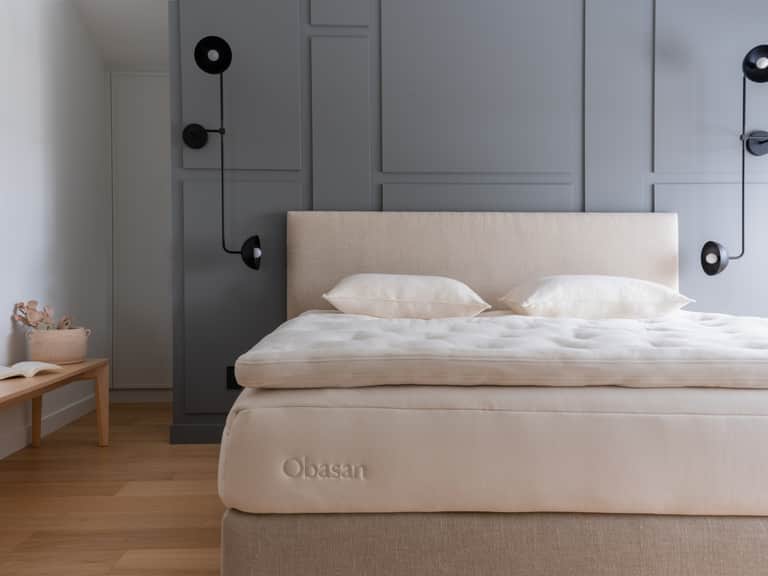
Obasan Organic Dunlop Latex Mattress for Children

Give your child the gift of restful sleep with the Obasan Organic Mattress. Crafted from premium organic materials, it offers a customizable firmness for comfort, ensuring a healthy, chemical-free environment that promotes growth and development, night after night.

Price: $1,239.00

View Product